Automating a packaging line means much more than simply increasing speed: it means transforming the entire production approach by improving flow, reliability, and safety. Today, packaging machines can achieve performance levels that would have been unimaginable just a few years ago. But machines alone are not enough: true efficiency lies in the harmony of the entire line.
One common mistake, especially in projects where the transition from manual to automated processes is still ongoing, is to underestimate conveying and buffering systems. And yet, just like the human circulatory system keeps the body in balance, conveyor systems are the beating heart of production: they connect machines, compensate for operational differences, and prevent bottlenecks.
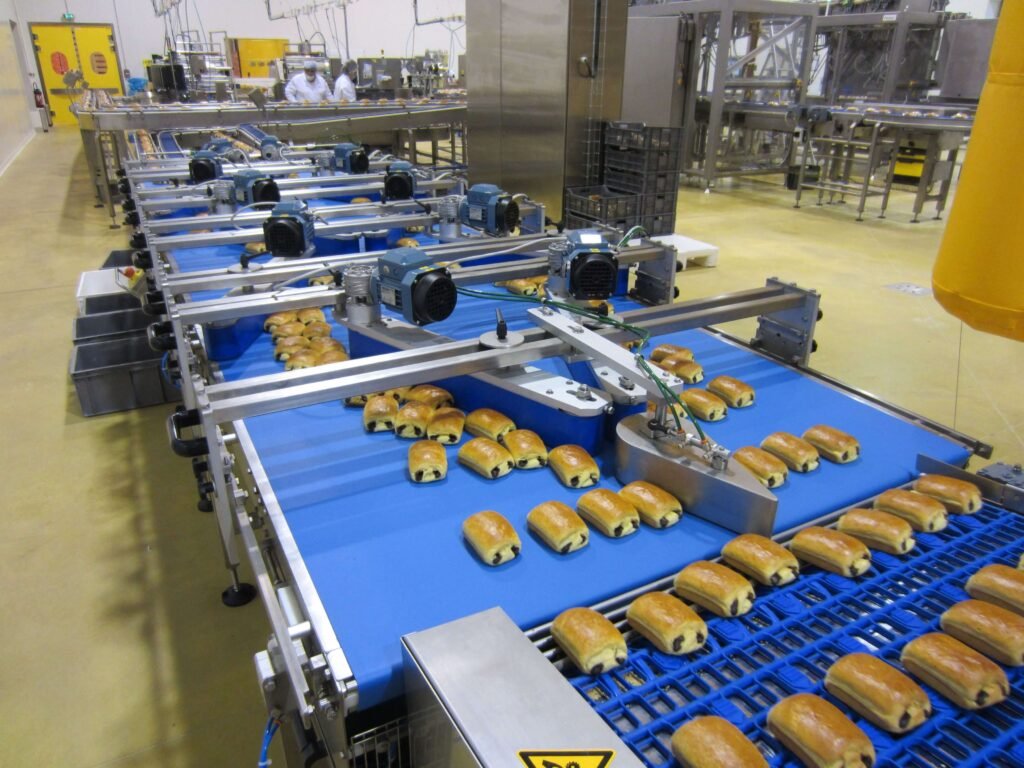
Buffering solutions like our BAT-Buffer or multilayer FIFO belt systems can absorb production fluctuations, keeping the line output consistent. They are a fundamental element in the shift from manual management to full automation, as they ensure continuity, reduce human error, and minimize downtime.
They also improve the handling of unforeseen events such as micro-stoppages or format changes, and support fast reconfiguration of the line when needed. This leads to greater flexibility and operational resilience— two essential assets in today’s fastchanging market.
M.H. Material Handling, founded in Italy in 1986, specializes in the design of these customized solutions. With nearly 40 years of experience, M.H. offers not only machinery, but also consultancy, layout analysis, and full line integration, supporting clients through every phase of the process.
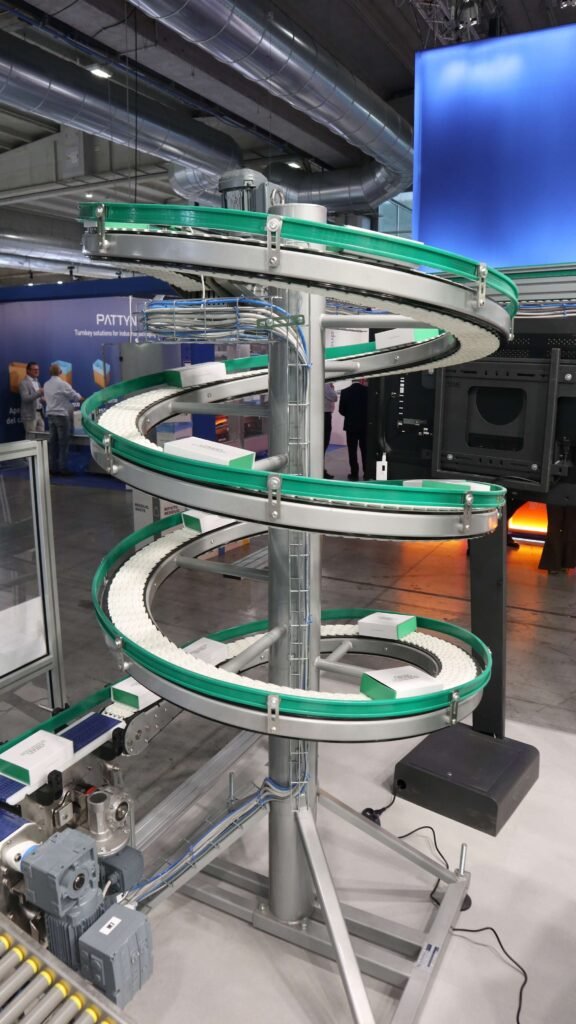
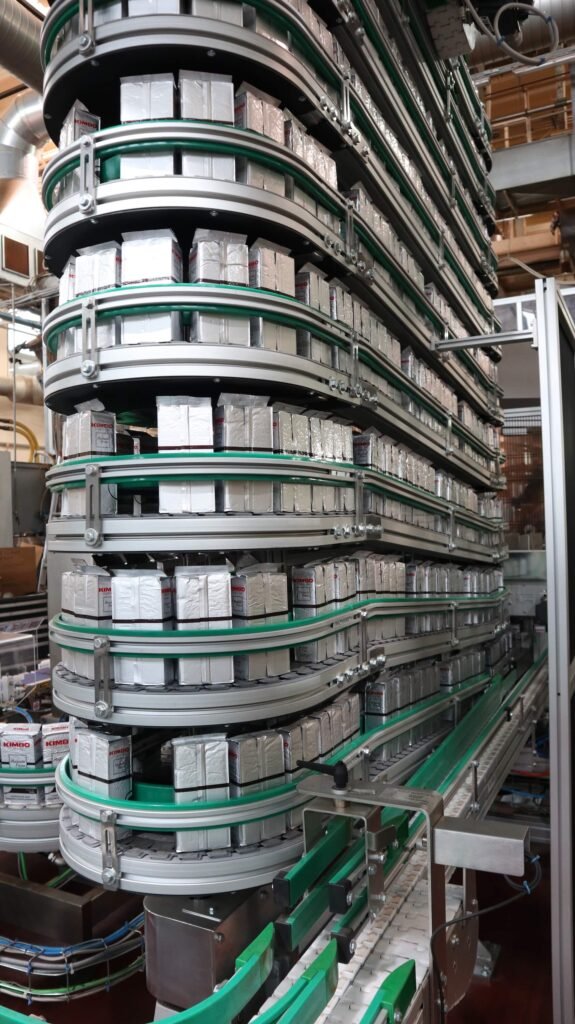
The range of buffering solutions includes:
• Heliflex – ideal for buffering and conditioning;
• BAT-Buffer – a highly flexible modular system;
• 5L Multilayer FIFO – perfect for the confectionery industry, especially chocolate.
But automation doesn’t stop at buffering. Elevators, manipulators, mergers and dividers are all essential components of high-performance modern lines. These devices optimize the available floor space, improve ergonomics, and enhance operator access—factors often overlooked when productivity is the only focus.
The shift from manual to automated operations comes with risks: poor design choices, inefficient layouts, or disruptions in production flow. However, with the right technical partner and a holistic vision, these risks can become opportunities for growth.
In the Middle East, M.H. operates with the support of Novadim Food Technologies, offering tailored solutions even in evolving production environments.